From Rising Energy Bills to Better Comfort: When It’s Time for a New AC System
There comes a point when every homeowner starts asking the same question: Should I keep fixing my old air conditioner, or is it finally time to replace it? It’s not always an easy decision. An AC system isn’t something you buy every year, and most people naturally want to squeeze every bit of life out of the one they already have.
Still, there are moments when another repair feels more like putting a bandage on a much bigger problem. Rising energy bills, uneven cooling, constant service calls, and strange noises all tend to point toward the same conclusion. A properly planned upgrade doesn’t just solve today’s issues—it often makes your home more comfortable, quieter, and surprisingly less expensive to run over time.
The Hidden Cost of Holding Onto an Aging System
Old air conditioners rarely fail overnight. Instead, they slowly lose efficiency. Maybe the living room cools down while the bedrooms stay warm. Maybe the unit runs almost nonstop during the afternoon. At first, these things seem minor.
Then you notice your electricity bill climbing every month.
That’s usually where homeowners get caught in an endless cycle of repairs. One year it’s a capacitor, the next year it’s a fan motor, then the compressor begins acting up. Individually, none of these repairs seem catastrophic. Added together? They often cost far more than people realize.
If your system is around 10 to 15 years old and repair visits have become routine, replacing it may actually be the smarter financial move.
Comfort Isn’t Just About Cold Air
People often assume an air conditioner has only one job: make the house cold.
But modern HVAC systems do much more than that.
Today’s equipment controls humidity better, distributes airflow more evenly, filters indoor air more effectively, and operates much more quietly than older models. Those little improvements don’t sound dramatic on paper, yet they completely change how a home feels throughout the day.
Anyone who’s lived with hot spots in one room and freezing temperatures in another knows exactly what that means.
The goal isn’t simply lower temperatures—it’s consistent comfort.
Why Installation Matters More Than Most People Think
Buying a high-quality AC system is only half the equation.
Even the most expensive equipment can perform poorly if it’s installed incorrectly. Oversized systems short cycle and waste energy. Undersized units struggle constantly and wear out faster. Improper duct connections, refrigerant charging mistakes, or poor airflow calculations can reduce efficiency before the system even reaches its first birthday.
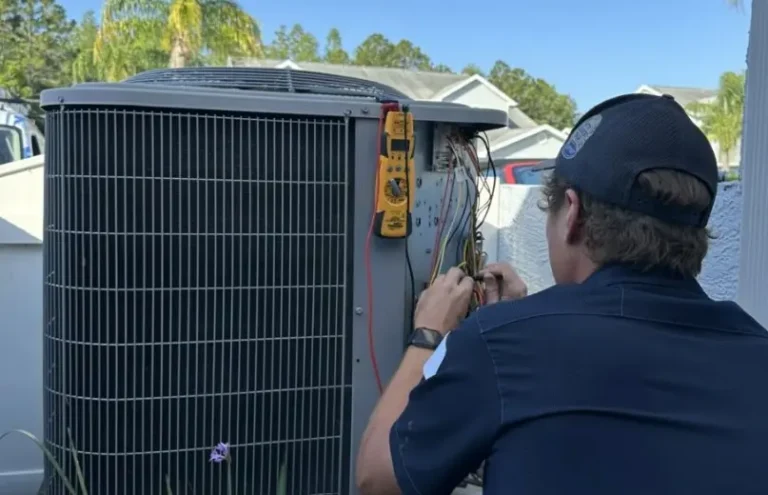
That’s why investing in professional thermostat installation alongside a properly sized HVAC system makes a noticeable difference. Modern smart thermostats help the entire system operate more efficiently, keeping indoor temperatures stable while reducing unnecessary runtime.
It’s one of those upgrades people rarely regret after living with it for a few weeks.
Energy Efficiency Is About More Than Saving Money
Lower utility bills usually grab the headlines, but efficiency offers benefits that go beyond monthly savings.
An efficient air conditioner cycles less aggressively, experiences less mechanical stress, and often lasts longer. It also reduces your home’s overall energy consumption, which is becoming increasingly important as electricity costs continue rising in many regions.
Some homeowners are surprised by how much quieter newer equipment operates. Instead of hearing the outdoor unit roar to life every few minutes, modern systems often run smoothly in the background, almost unnoticed.
That’s a small luxury you appreciate every single day.
Choosing the Right Size Isn’t Guesswork
A common misconception is that bigger air conditioners cool homes faster.
In reality, oversized units often create new problems.
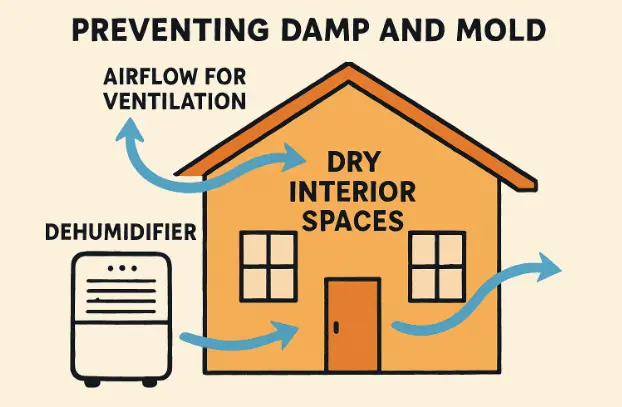
They cool rooms so quickly that they shut off before removing enough humidity from the air. The result is a house that technically reaches the desired temperature but still feels damp and uncomfortable.
Professional HVAC contractors perform load calculations that consider insulation, windows, ceiling height, sunlight exposure, and overall home layout. Those measurements help determine the right capacity rather than relying on square footage alone.
It’s a little more work upfront, but it prevents years of unnecessary frustration.
When Replacement Becomes the Better Investment
There isn’t a universal rule for replacing an air conditioner, but several warning signs usually appear together.
You may want to consider replacement if:
- Repairs are becoming frequent.
- Energy bills continue increasing without explanation.
- Cooling feels inconsistent from room to room.
- The system uses outdated refrigerant.
- Major components like the compressor are beginning to fail.
- The unit is more than a decade old.
If multiple items on that list sound familiar, it might finally be time to get a new AC system installed rather than continuing to invest in short-term fixes.
While the upfront cost feels significant, homeowners often recover much of that investment through lower repair expenses and improved energy efficiency over the following years.
Don’t Forget the Indoor Air Quality Benefits
A newer HVAC system can also improve the quality of the air you breathe every day.
Advanced filtration options capture smaller particles like pollen, dust, pet dander, and other airborne contaminants more effectively than many older units. Better humidity control also discourages mold growth and creates a healthier indoor environment, especially for families with allergies or asthma.
These improvements aren’t always obvious during the first week after installation.
They become noticeable over months, when the house simply feels cleaner and more comfortable.
Planning Ahead Saves Stress
One interesting thing about air conditioning failures is that they almost never happen at a convenient time.
They usually occur during the hottest week of summer when HVAC companies are already overwhelmed with emergency calls.
Replacing an aging system before it completely fails gives homeowners time to compare equipment, ask questions, evaluate efficiency ratings, and schedule installation without feeling rushed.
That extra breathing room often leads to better decisions—and sometimes even better pricing.
A Better Cooling Experience Starts With Better Planning
An air conditioning system isn’t just another appliance sitting outside your home. It’s something your family depends on every single day during the hottest months of the year.
Replacing an outdated unit isn’t always exciting, but it’s one of those investments that quietly pays you back through better comfort, lower operating costs, fewer repairs, and greater peace of mind.
Take time to evaluate your current system honestly. If it’s showing its age, constantly breaking down, or struggling to keep your home comfortable, upgrading may be the most practical decision you make this year.
A carefully selected system, installed correctly and matched to your home’s actual needs, won’t simply cool your house better—it’ll make everyday life feel just a little easier.
Read more: Why I Use a Dedicated Browser for All Gambling Sites – Names Spark
Why Timely HVAC Maintenance Makes a Bigger Difference Than Most Homeowners Realize – Names Spark
From Dream to Doorstep: A Step-by-Step Guide to Buying Your First Home